Private Aikido Lesson
Direct instruction from Head Instructor Shota Sugawara
at our own dedicated dojo in Shinagawa, Tokyo.
Three Reasons to Choose Our Private Lessons
Our Own Dedicated Dojo
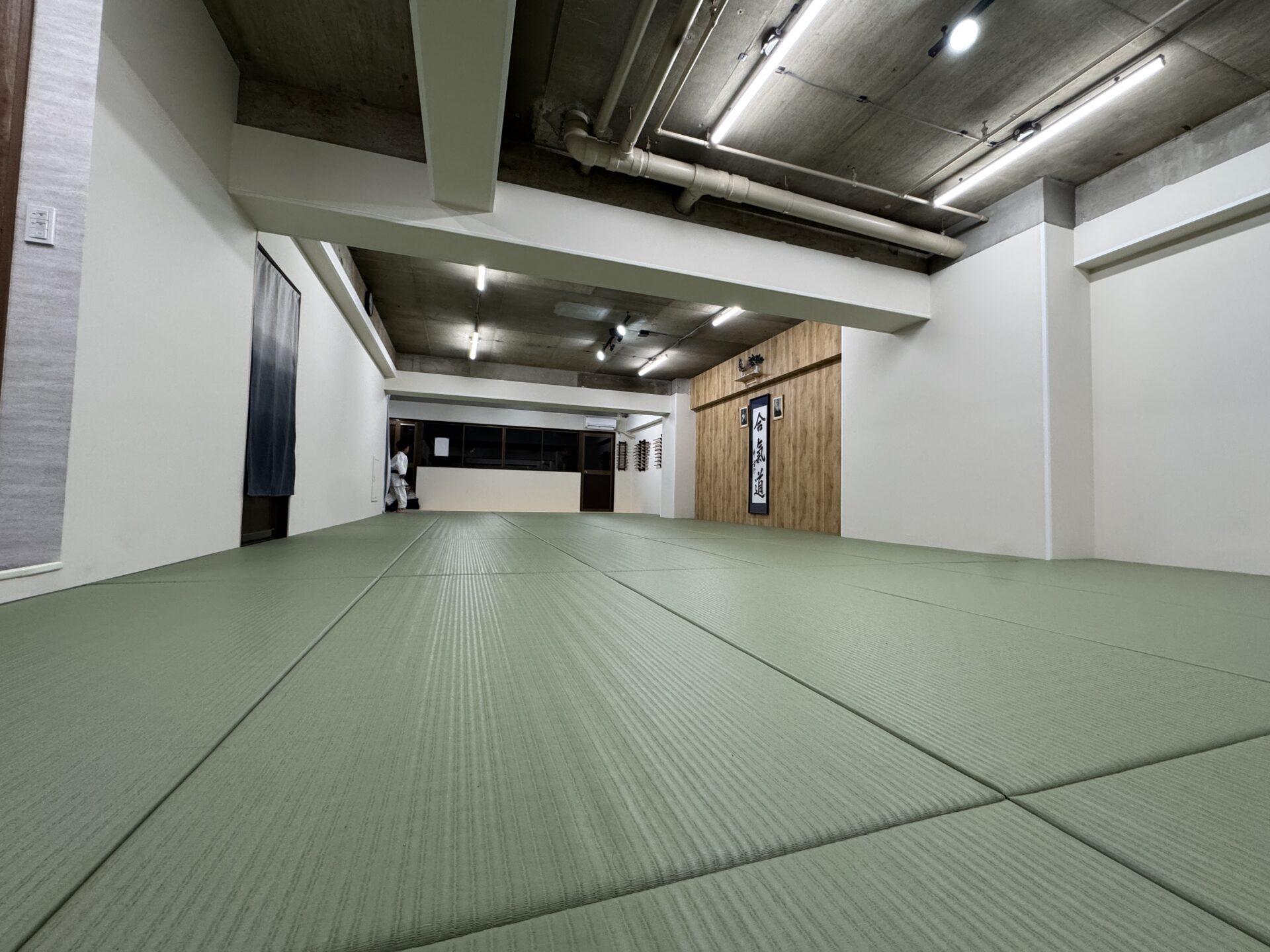
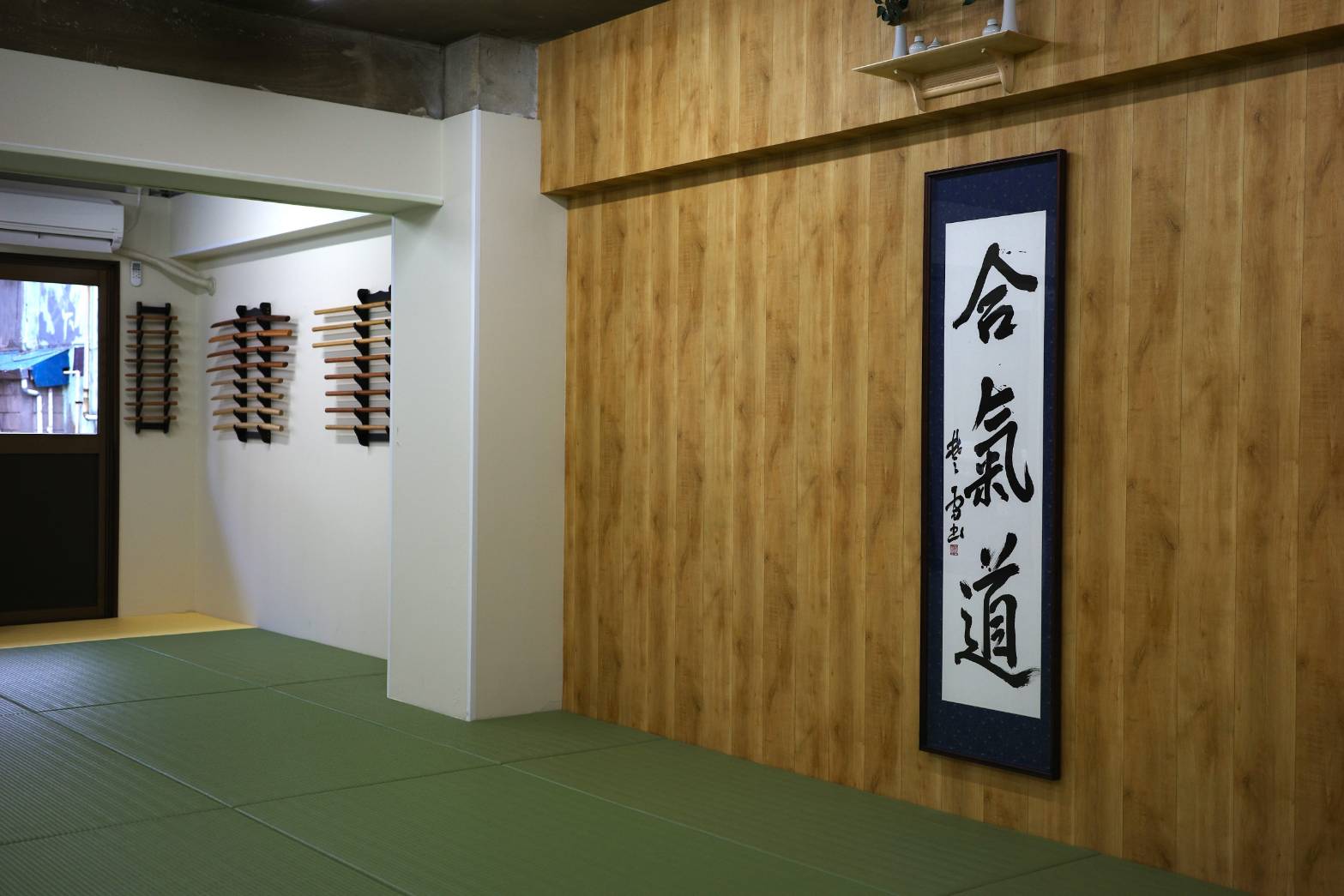
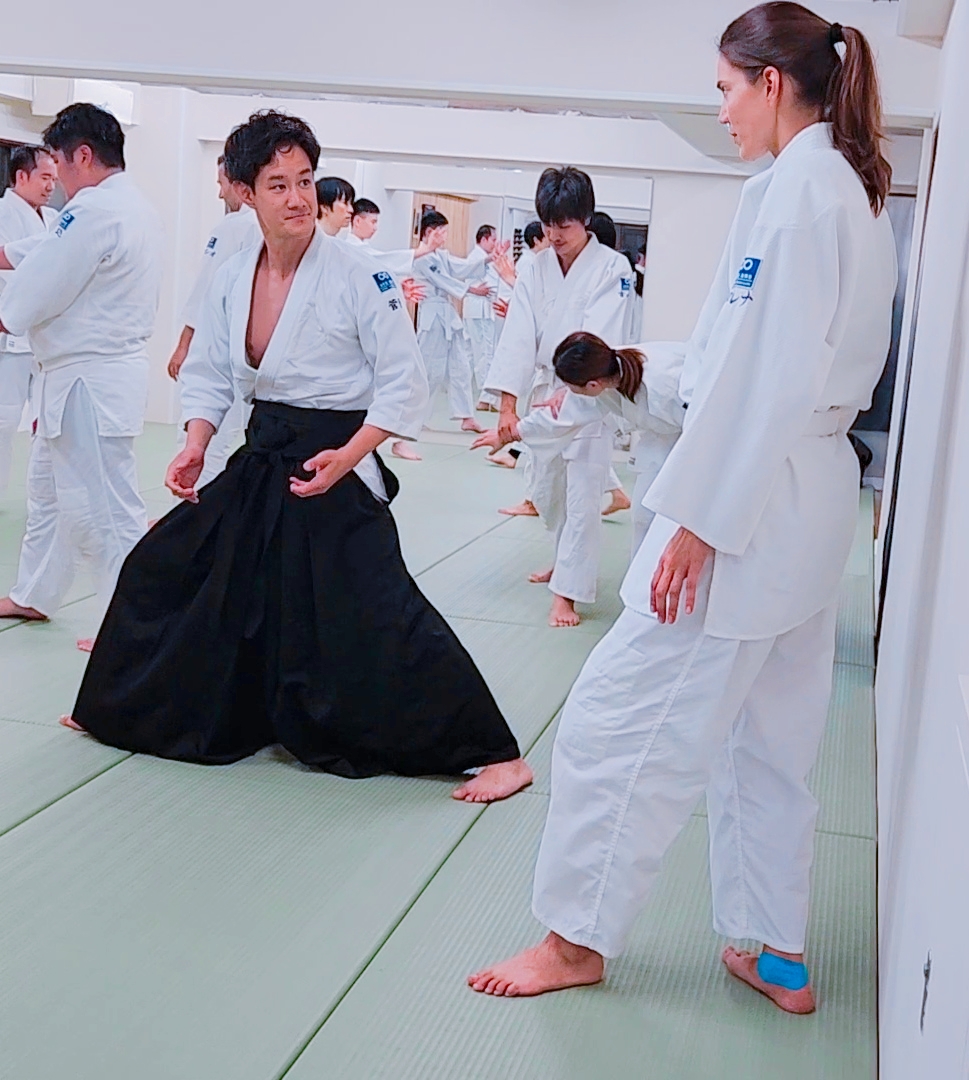
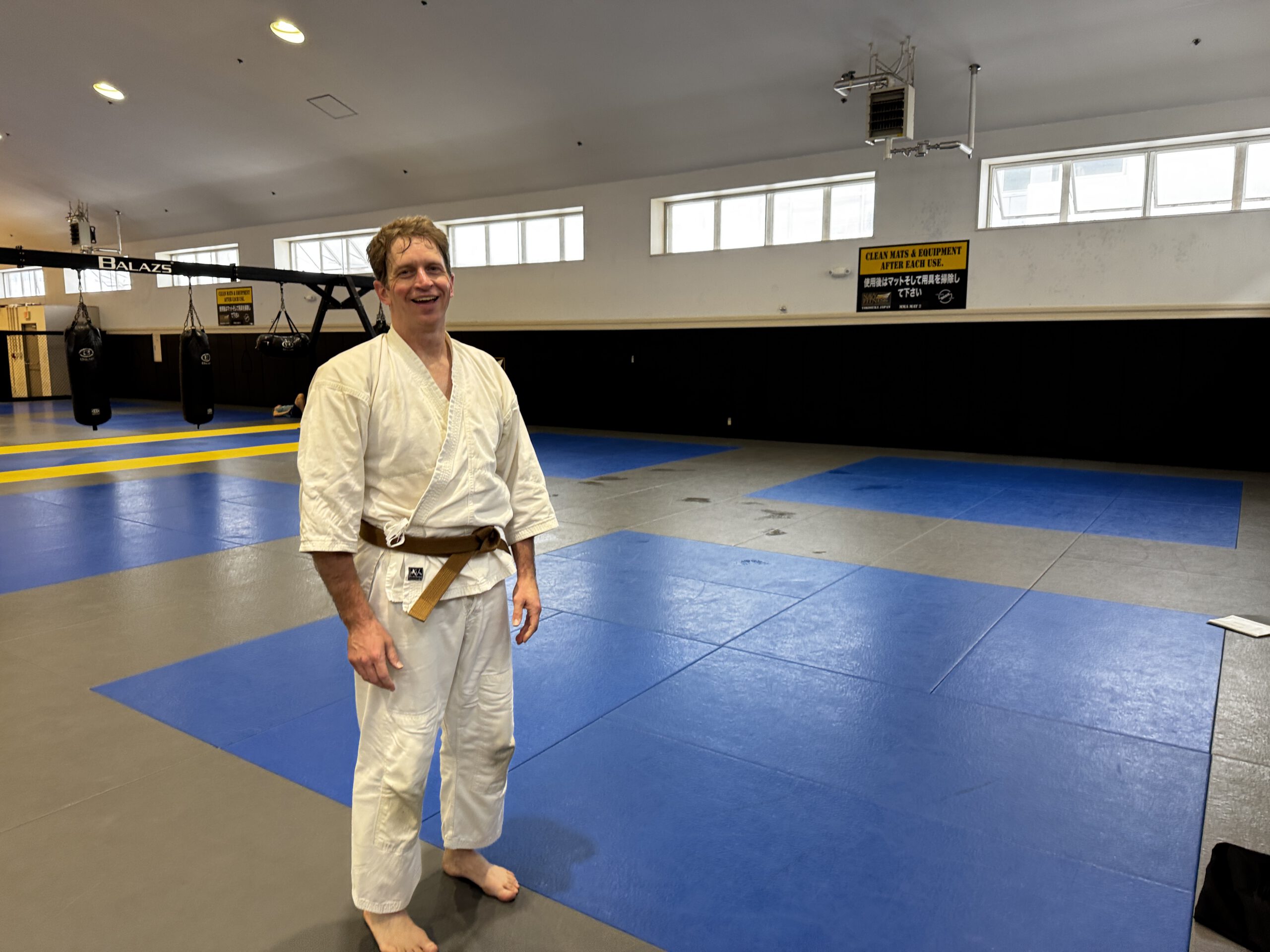
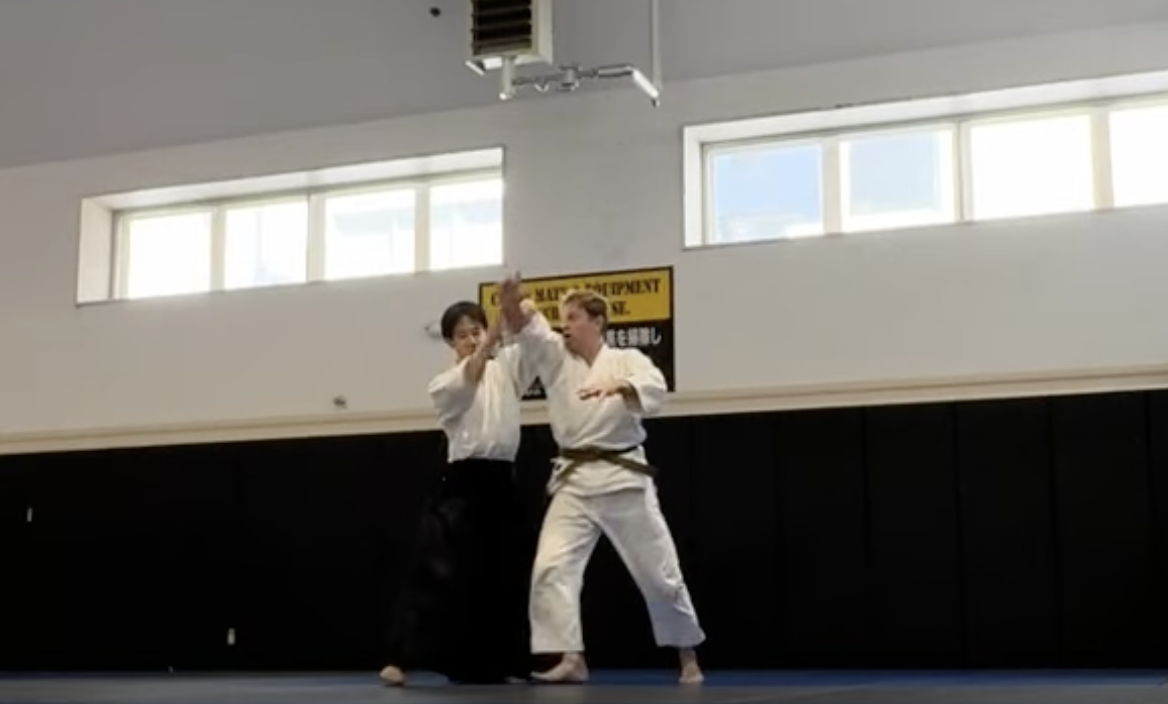
Our Shinagawa location is not a rented gymnasium — it’s Aikido Mugenjuku’s own dedicated training hall, with soft mats permanently in place and a full training environment ready at all times.
Weapons Training Available
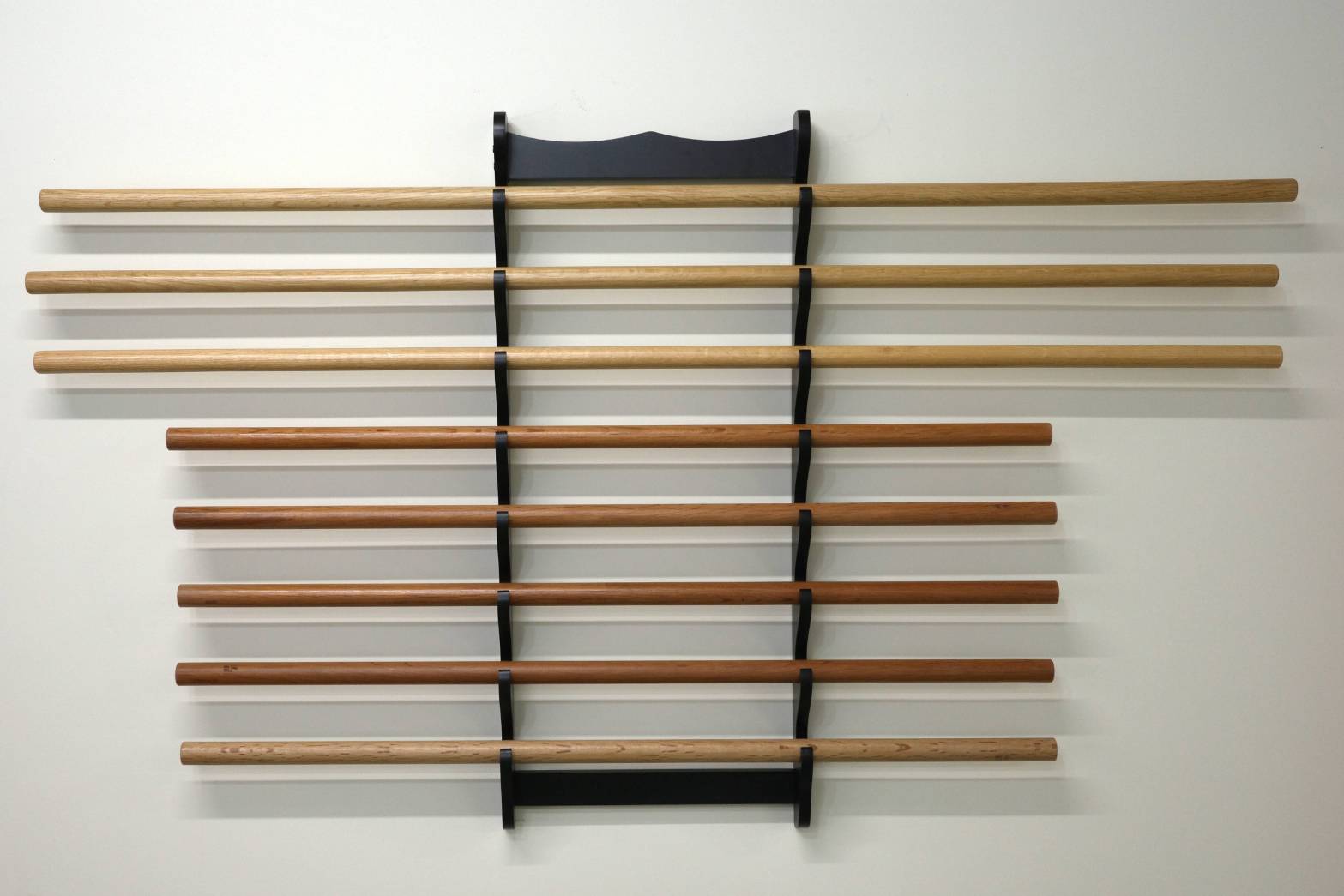
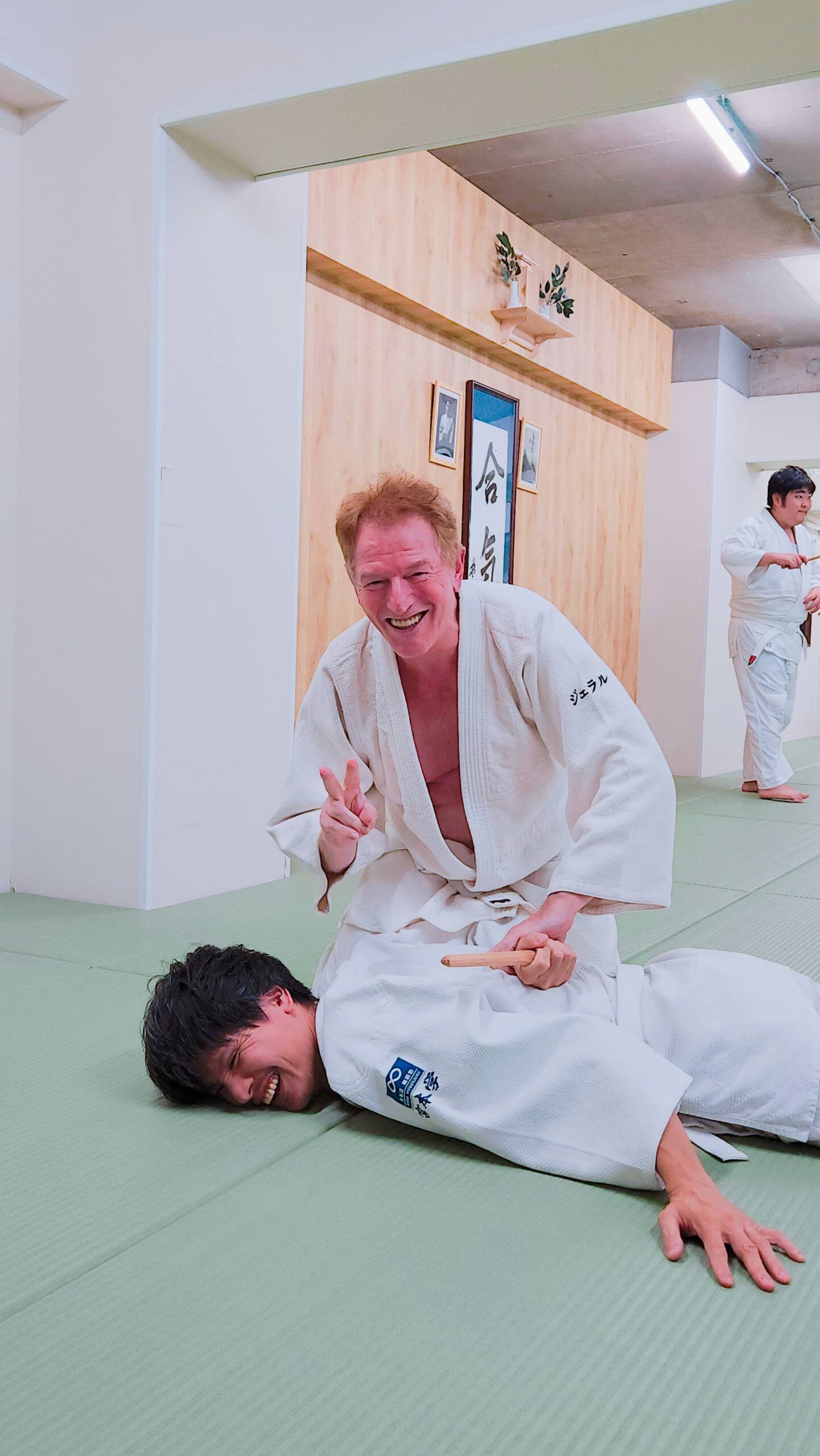
Bokken (wooden sword), jo (staff), and tanto (knife) are all on-site. Beyond empty-hand techniques, you can experience authentic aikido weapons practice on request.
One-on-One Instruction
50-minute one-on-one or small-group (2-3 people) sessions. We focus intensely on individual challenges that group training cannot reach.
Our Track Record
15+ years
Teaching since the dojo was founded
30+ countries
Students from around the world
In English
Extensive experience teaching in English
Fully 1-on-1
Taught personally by the head instructor
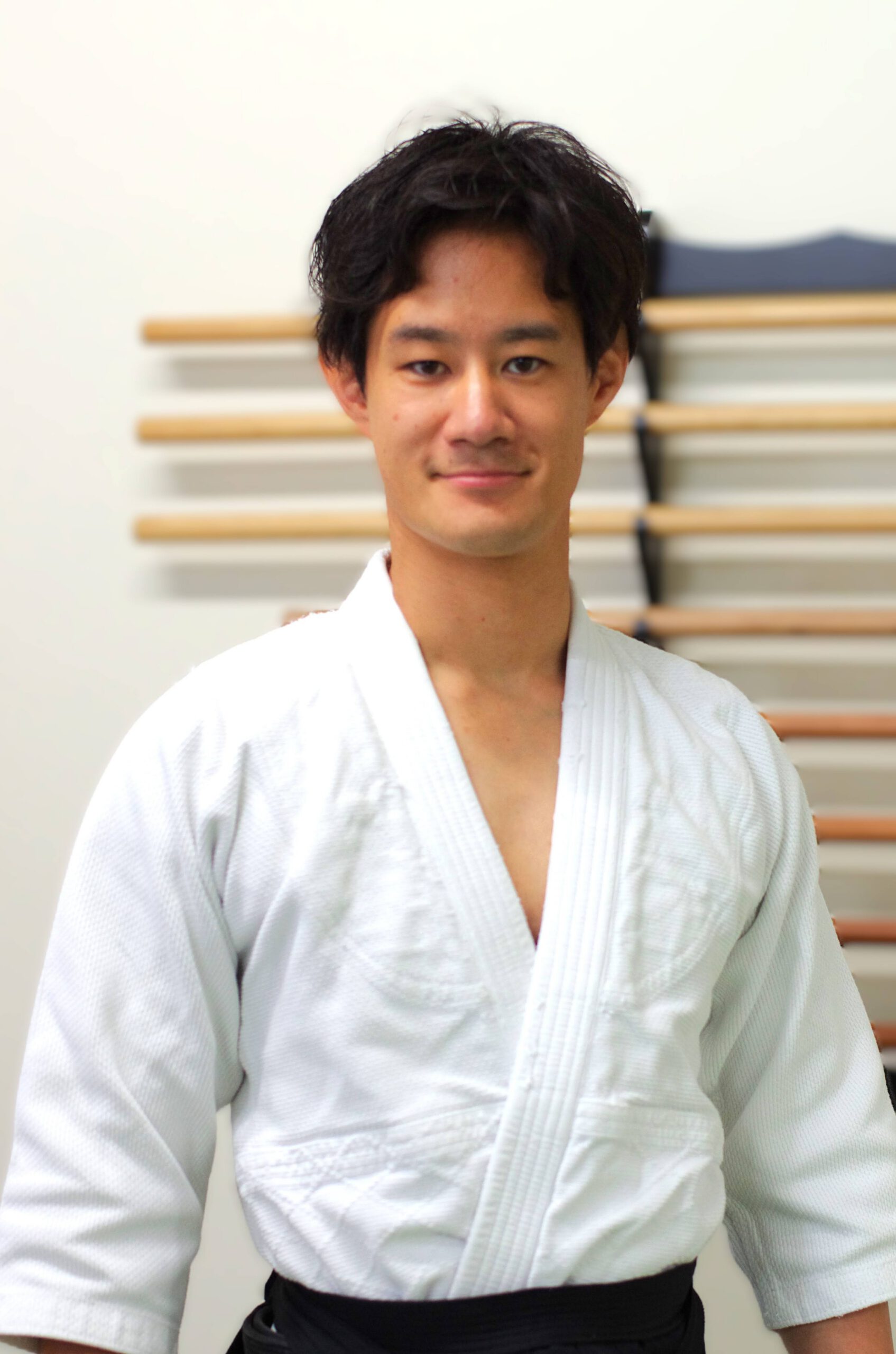
Instructor: Shota Sugawara (Head Instructor / Aikido 4th Dan)
All private lessons are personally taught by Head Instructor Shota Sugawara.
- 15+ years of teaching experience (teaching consistently since founding the dojo in 2010)
- Runs a dojo of about 120 members (ages 5-80, beginners through black belts)
- Experienced with Aikikai dan holders, other styles, and martial artists
- Logical teaching style from an IT industry background
Training Features
Problem Analysis
The instructor analyzes your current challenges and creates targeted strategies.
Use of Video
Training is recorded so you can review at your own pace.
Style-Agnostic Instruction
Aikikai or other-style practitioners welcome.
Follow-up After the Lesson
You receive a written summary of the key points and how to practise them on your own.
Goal Achievement Support
Efficient training toward grading exams, specific techniques, or physical conditioning.
Flexible Scheduling
Not bound to fixed class times (weekdays only).
For Complete Beginners and Experienced Practitioners Alike
Roughly half of our private students have never practised a martial art before; the other half already train at another dojo.
Either way, the lesson is built around where you are now.
▶ New to Aikido
Fitness, age and what to wear
▶ Already Training
Any style welcome, keep your own dojo
New to Aikido
More than half of our private students start with no martial arts background at all.
Being unfit, inflexible or older is not a reason to hold back.
Any age, any fitness level
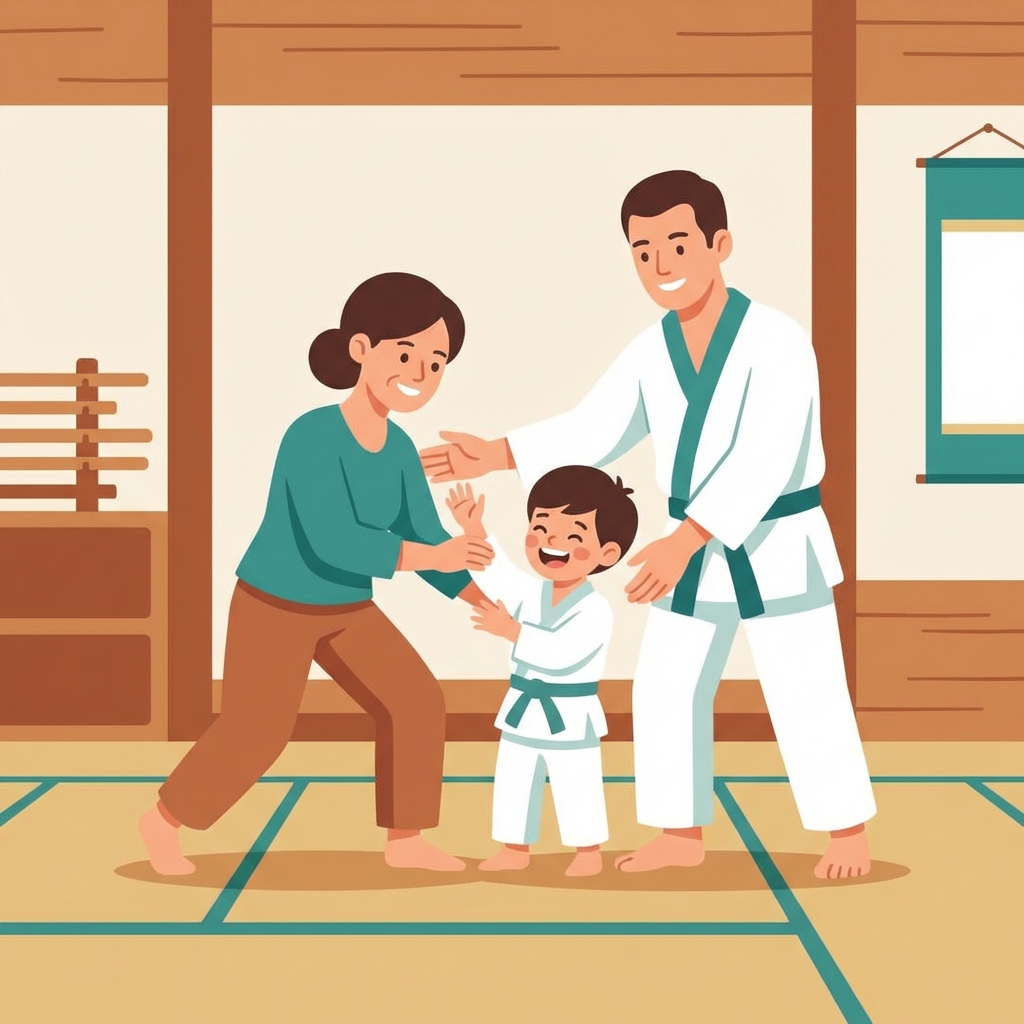
We teach students from 5 to 80 years old. No athletic background is required — the lesson is built around your condition.
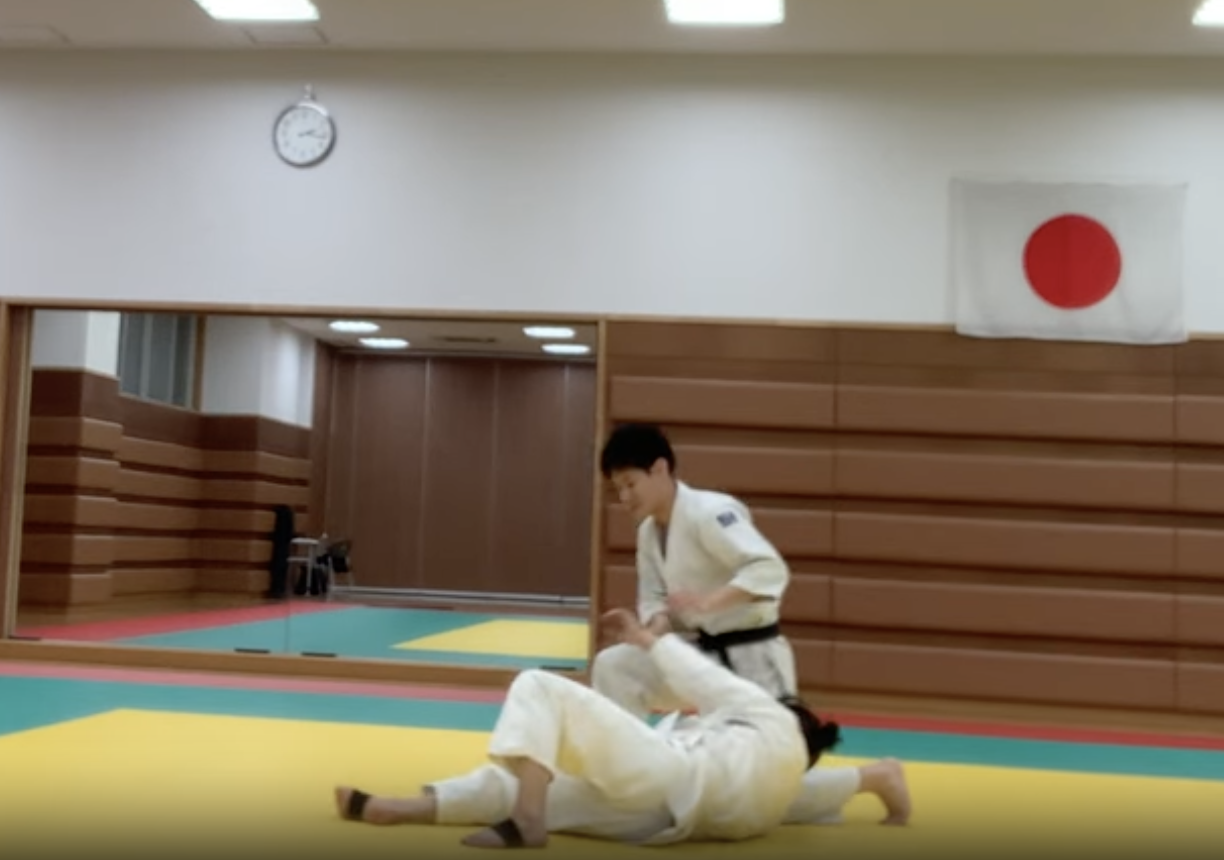
We start with breakfalls, and it does not hurt
The first thing you learn is how to fall safely. Nobody will throw you hard or ask you to endure pain.
No uniform needed
Just come in clothes you can move in.
No need to keep up with anyone
It is one-on-one, so there is no group to fall behind and no reason to hold back a question. Ask anything, any time.
Already Training
All styles are welcome. You can keep training at your own dojo.
Practitioners of other styles welcome
Students from Aikikai, Yoshinkan and other styles have trained here. We use the technique names of your own style.
We will not contradict your dojo
The aim is to add a line of reasoning to the practice you already do, not to correct your teacher. What you learn goes home with you as something to work on.
A check on habits you cannot see
Few dojos let you ask a senior instructor about every detail. Here we put into words what your movement is actually doing.
Grading preparation and weapons
We drill exam syllabus in detail. Bokken, jo and tanto are kept at the dojo, so weapons work is possible even if your own dojo cannot offer it.
Lesson Content (Fully Customised)
Based on what you tell us beforehand, we design a lesson for you alone.
Elements are combined to match your goal.
- Etiquette and dojo manners (bowing, seiza, how to wear the gi — the starting point for beginners)
- Basic breakfalls (the foundation of safe practice; always covered on day one)
- Basic to advanced techniques (adjusted to your experience and goal)
- Weapons practice (bokken, jo, tanto — possible because the dojo is our own)
- Self-defence course (focused on what is usable in daily life)
- Grading preparation (drilling the exam syllabus and refining technique)
- Problem-solving for your own dojo practice (any style)
- Questions and photographs (you are welcome to take photos in a gi)
* Lessons are available in English. You do not need to speak Japanese.
What Our Students Say
Comments from people who have taken a private lesson with us.
Master Course
Even though we practise different styles, everything was explained carefully in fluent English. I hope he will open a dojo in China too.
I finally mastered the jumping breakfall that had been holding me back — in just three sessions. People at my own dojo were surprised: “When did your ukemi get so good?”
I had only ever understood aikido techniques in the abstract. Here they were explained concretely, including how the different styles differ.
Trial Lesson (2 hours)
In two hours I came to understand both aikido and the Japanese spirit behind it.
Sensei Shota, thank you for today. I feel truly honoured to have met you, and I am grateful for everything you taught me. You taught me kindly and carefully — not only aikido, but also the teachings of bushido seen from another angle. Thanks to you it became a day I will never forget. I wish you, your family and Aikido Mugenjuku all the very best. Thank you from the bottom of my heart. I look forward to seeing you again.
I wanted to train with someone skilled. From how to use the body to the specific points of each technique, everything was explained gently, in conversation. He was careful with the part of my body that was injured.
How a Lesson Works
Before
- Questionnaire: your goal, experience, physical condition and any concerns
- Lesson design: we build the two hours around your answers
On the day (2 hours)
- Assessment: you move, we identify what is actually happening
- Foundation: posture, footwork, how to use the body
- Breakfalls: the basis of safe practice
- Techniques: drilled toward your goal, weapons included on request
- Questions: answered on the spot, not saved for later
After
- Written summary: the key points of the day and how to practise them on your own
- Next steps: for those who want to go further, the Master Course or a further session
* The balance is adjusted to your goal, fitness and experience. On the Master Course (3 hours × 3 days) each day is given its own theme.
What to Bring
Clothes you can move in
A T-shirt and long trousers are ideal.
A towel
Something to wipe off sweat.
Something to drink
We take breaks for water during the lesson.
No gi is required.
Bokken, jo and tanto are kept at the dojo, so you can come empty-handed. Changing space is available.
Pricing
Two hours of the head instructor’s undivided attention, designed entirely around you.
| Plan | Details | Price (tax included) |
|---|---|---|
| Trial Lesson | 2 hours / fully one-on-one For those who want to try aikido, or to solve one clear problem | 50,000 JPY |
| Master Course | 3 hours × 3 days (9 hours total) For those who want to understand aikido deeply and let it settle into the body | 200,000 JPY |
* 50% off for a second participant (family and friends are welcome to join)
* Taught in English / photography welcome / available in Tokyo (Shinagawa) or Kamakura
* Group size and content can be discussed — please get in touch.
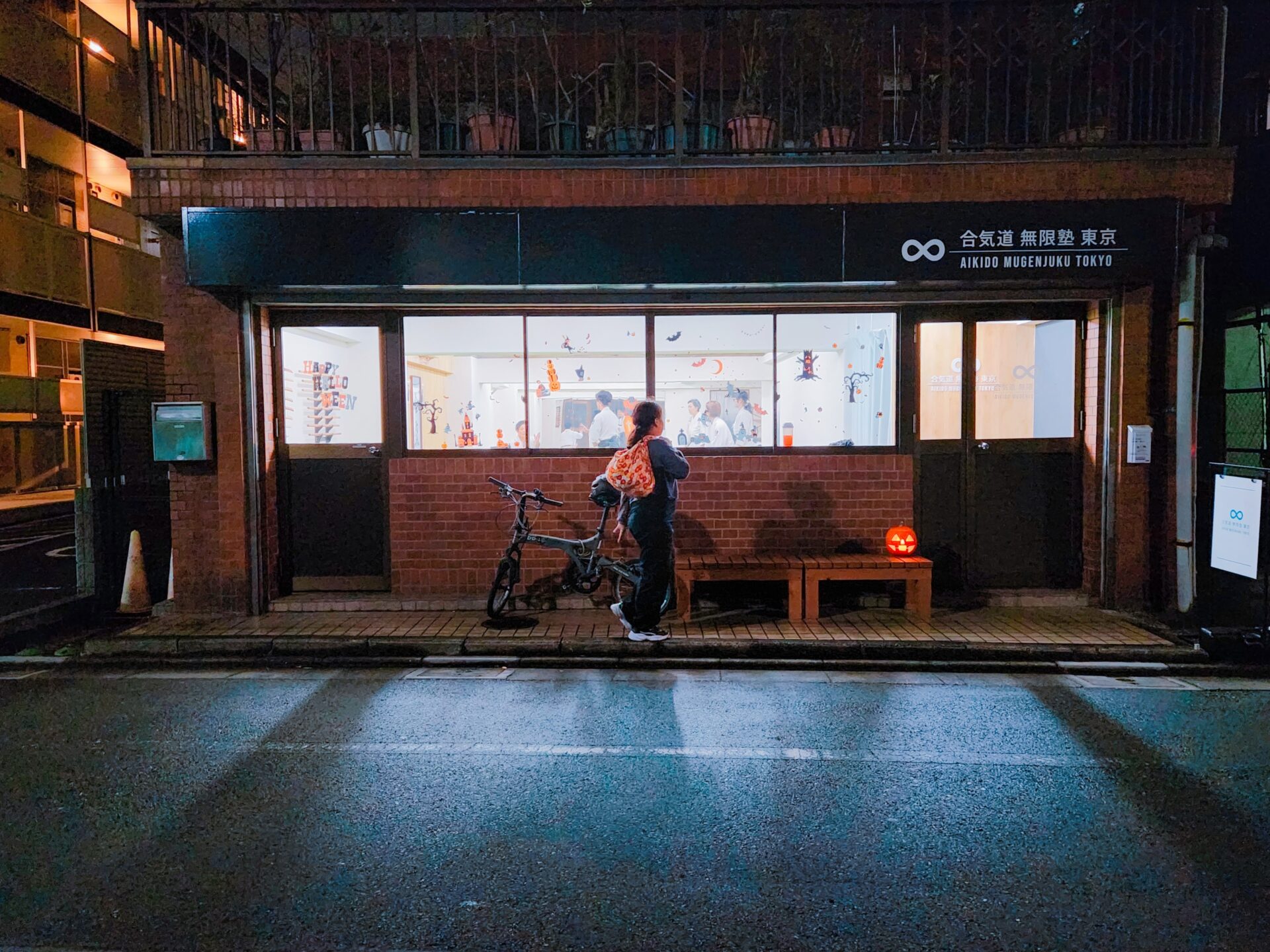
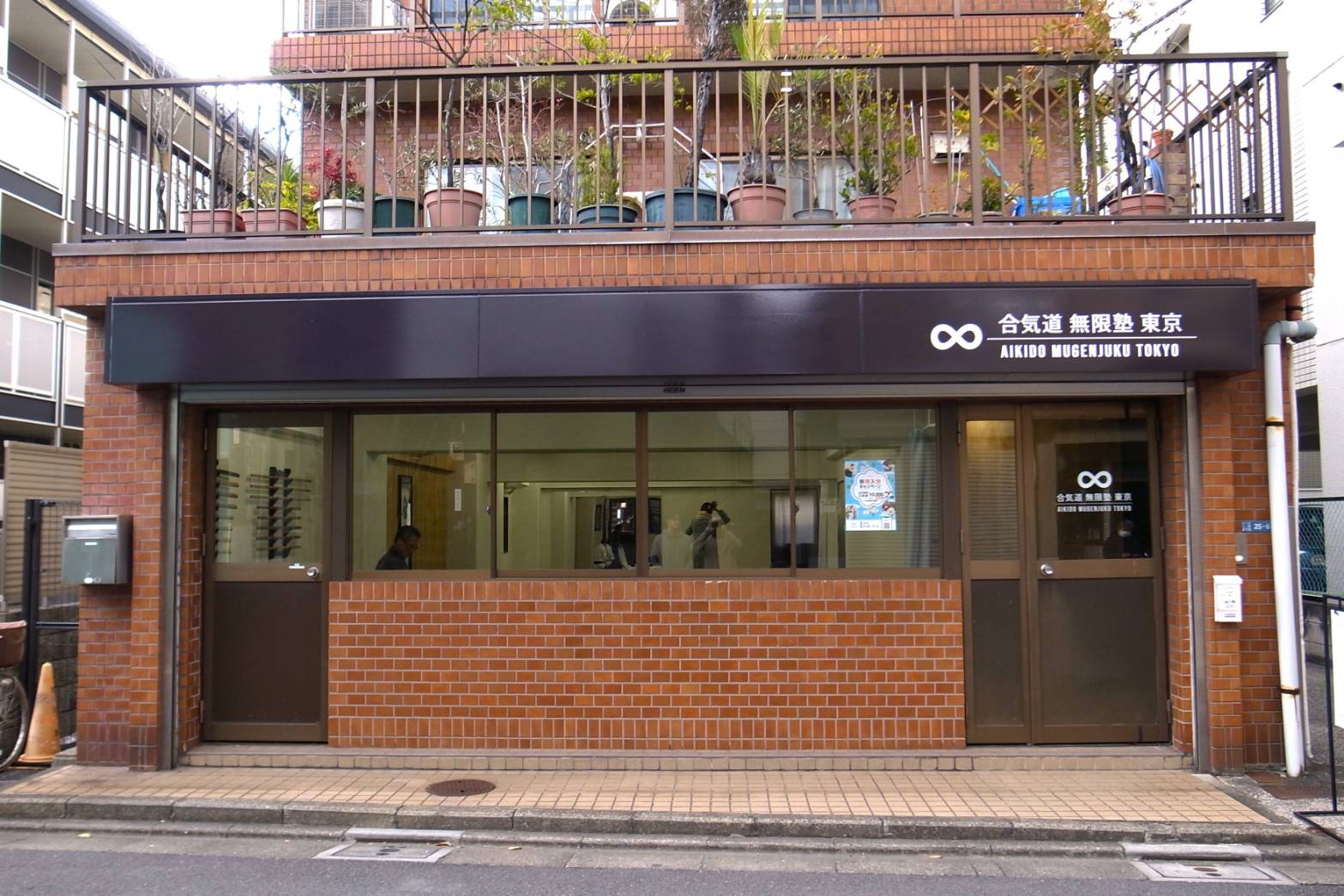
Training Location: Our Dedicated Dojo in Shinagawa, Tokyo
4-25-6 Futaba, Shinagawa-ku, Tokyo 142-0043 (10 min walk from JR Yokosuka Line Nishi-Oi Station)
This is Aikido Mugenjuku’s own dedicated dojo, not a rented facility. Bokken, jo, and tanto are all on-site.
Kamakura is also possible
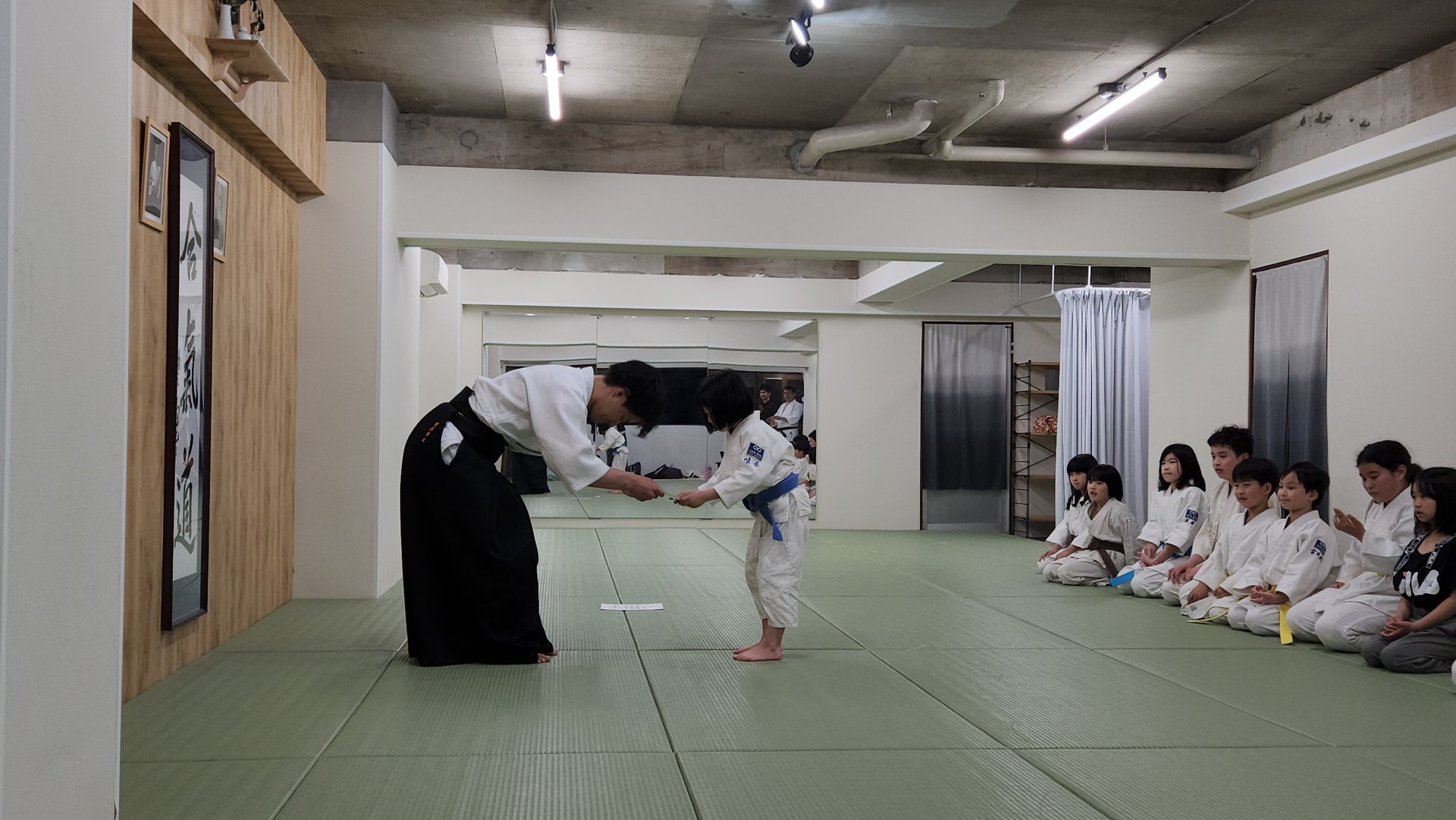
Lessons can also be held at our Kamakura location, within walking distance of JR Kamakura Station. If you would like to train in the old capital, please ask.
Lesson Gallery
Frequently Asked Questions
Common questions from first-time visitors.
Q. Do I need martial arts or aikido experience?
Q. Do I need to bring weapons (bokken, jo, tanto)?
Q. Do I need a dogi (aikido uniform)?
Q. Can I take private lessons even if I train in another style (e.g. Aikikai)?
Q. Is a single lesson enough?
Q. Can I cancel or reschedule?
Q. Can children take private lessons?
Q. Do you offer lessons on weekends?
Get in Touch
Have questions about what type of lesson suits you, or want to check available dates?
Feel free to reach out.